





Corpus Vitrearum Switzerland: Medieval Stained Glass
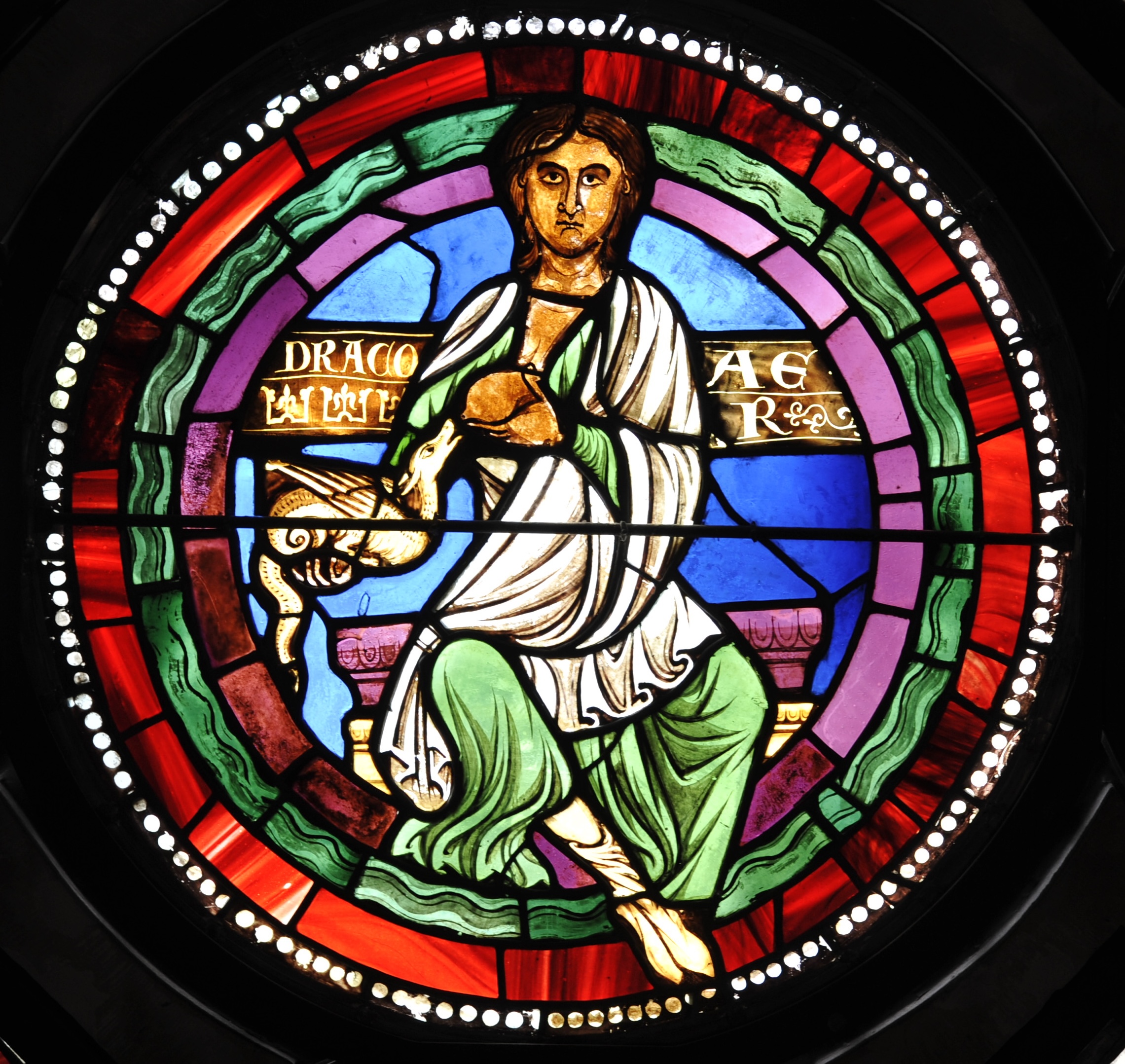
Switzerland preserves an exceptional body of medieval stained glass. Today, 200 panels are preserved in different Swiss collections, while others remain in place in about 45 buildings. Together, they form a significant cultural heritage of outstanding artistic, historical, and technical value.
Among the earliest surviving examples are the famous Flums Madonna, dating from the 13th century (now in the Swiss National Museum in Zurich), and the monumental rose window of Lausanne Cathedral. Other significant examples of medieval stained glass in Switzerland include the window cycles in the cloister of the Cistercian monastery of Wettingen (c. 1280), the choir of the church in Münchenbuchsee (c. 1290), the windows in Kappel am Albis (c. 1300/1310), and the panels in the convent church of Königsfelden (1316–1360). While few works survive from the second half of the 14th century, the choir of Bern Minster (c. 1441–1455) preserves the most important ensemble of late Gothic stained glass in Switzerland.
The project aims to catalogue and document the complete corpus of medieval stained glass in Switzerland. In doing so, it addresses a significant research gap within the international Corpus Vitrearum framework. The corpus will be systematically reevaluated and made accessible to the public. The project explores the development of medieval stained glass production in Switzerland, its patrons and glaziers, the technical processes involved in its manufacture, and its iconographic programmes. The findings will culminate in the fifth and final volume of the Corpus Vitrearum Medii Aevi Switzerland.
Project duration: 2026–2031
Project management
Annick Herren
Project coordination
Sarah Keller
Collaborators
Sophie Wolf (Technologie de l’art du verre)
Karin von Wartburg (Modélisation des données)